
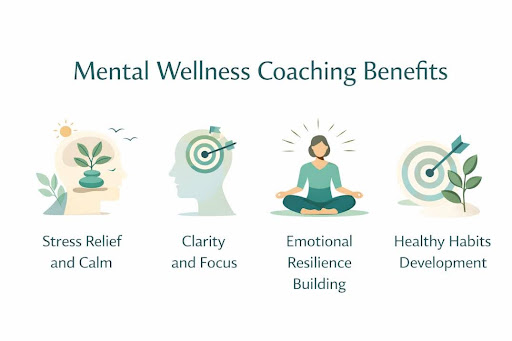
Mental wellness is a vital part of overall health, shaping how we think, feel, and respond to everyday challenges. While therapy and clinical care are essential for many mental health concerns, not everyone requires diagnosis or treatment to improve their well-being. Mental wellness coaching offers a supportive, forward-focused approach for individuals seeking clarity, balance, and personal growth.
Mental wellness coaching helps people strengthen emotional resilience, manage stress, and develop healthier habits. It focuses on where you are now and where you want to go, offering practical tools that encourage positive, sustainable change.
What Is Mental Wellness Coaching?
Mental wellness coaching is a non-clinical partnership designed to support emotional well-being and life satisfaction. Instead of focusing on mental health disorders or past trauma, coaching emphasizes goal-setting, self-awareness, and actionable strategies for growth.
A mental wellness coach works collaboratively with clients to explore challenges, clarify priorities, and create realistic plans. Sessions are structured yet flexible, allowing individuals to reflect, problem-solve, and build confidence at their own pace.
Also Read: How Much Does Therapy Cost in Texas
Why People Choose Mental Wellness Coaching
Numerous people seek out mental wellness guidance when facing strain or shifts. Typical motivations involve handling job demands, moving through personal developments, enhancing connections, or feeling static without a clear path.
Some opt for coaching as a forward-thinking method to bolster their mental state. Instead of delaying until worry becomes intense, they look for support to foster strength, sharpen concentration, and sustain equilibrium in everyday living.
Mental Wellness coaching proves particularly beneficial for those desiring responsibility support and actionable techniques, distinct from clinical treatment.
Also Read: Exploring the Connection Between Mental and Physical Health
Key Benefits of Mental Wellness Coaching
Mental wellness coaching offers a wide range of benefits that support emotional balance and personal development.
Supporting Emotional Balance and Stress Relief
- Assists in recognizing stress instigators and emotional trends
- Instructs on improved ways to manage daily strain
- Promotes composed, centered reactions to difficulties
Gaining Clarity, Focus, and Direction
- Improves decision-making and prioritization
- Helps align actions with personal values
- Reduces overwhelm and mental fatigue
Building Resilience and Emotional Strength
- Strengthens adaptability during change
- Supports recovery from setbacks
- Encourages confidence and self-trust
Creating Healthier Habits and Daily Routines
- Promotes consistency in self-care and productivity
- Supports better sleep and energy management
- Encourages sustainable lifestyle changes
Improving Work–Life Balance
- Helps establish healthy boundaries
- Reduces burnout and chronic stress
- Encourages balance between responsibilities and rest
Strengthening Communication and Relationships
- Improves emotional awareness and empathy
- Supports healthier personal and professional interactions
- Encourages clearer expression of needs and boundaries
Accountability That Keeps You Moving Forward
- Provides structure and motivation
- Helps maintain progress toward goals
- Encourages follow-through and consistency
How Mental Wellness Coaching Works
Well-being guidance commonly includes scheduled meetings centered on aims, hurdles, and advancement. In these meetings, participants might examine their principles, establish achievable targets, and acquire usable methods for handling feelings and thought patterns.
Outside of meetings, people might engage in writing down thoughts, contemplation, or trying out fresh ways to cope. This blend of understanding and application aids in turning insight into tangible, everyday transformation.
Mental Wellness Coaching vs Therapy
Although both contribute to fostering good mental health, coaching and therapy fulfill distinct roles. Wellness coaching focuses ahead and is centered on taking steps, whereas therapy frequently delves into prior events and emotional habits. Coaching excludes diagnosis or prescribing medicine and is most appropriate for people aiming for progress, equilibrium, and forward-looking assistance.
Conclusion
Mental wellness coaching offers a practical and empowering path to improved emotional well-being. By focusing on clarity, resilience, and healthy habits, coaching helps individuals navigate life’s challenges with confidence and intention. Whether you are managing stress, seeking balance, or working toward personal growth, mental wellness coaching can be a meaningful step forward. At The Perfect Prescription, this approach is guided by personalized support, thoughtful strategies, and a commitment to helping individuals thrive mentally, emotionally, and personally.